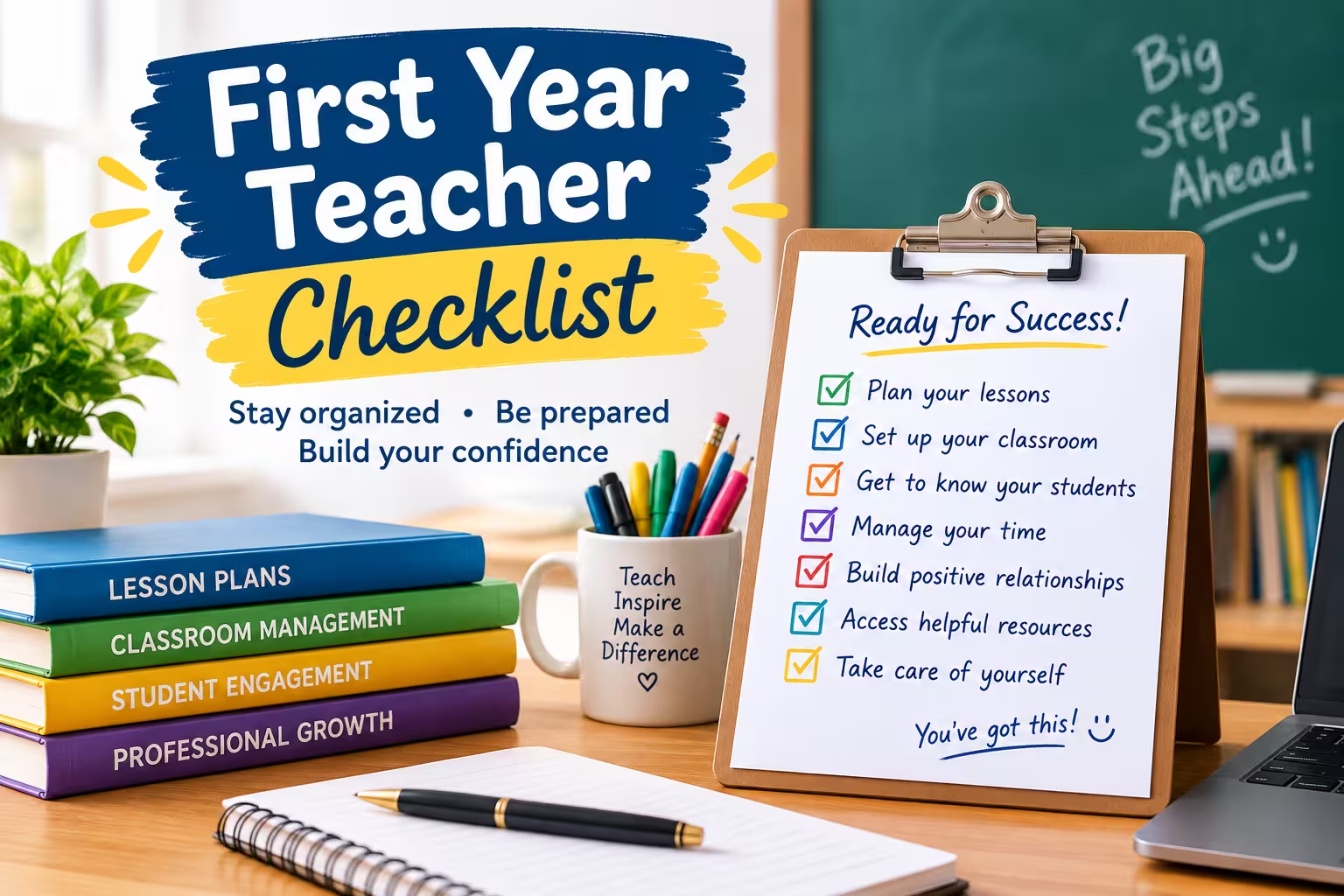
A complete first year teacher checklist covering classroom setup, lesson planning, classroom management, and paperwork.
What does a first year teacher need before school starts?
A first year teacher needs four things in place before the first bell rings: a functional classroom setup, a basic classroom management plan, the first two weeks of lessons drafted, and copies of key administrative forms. Everything else can be built as the year goes on.
Your first year of teaching will not go perfectly, and it doesn’t need to. This checklist breaks the work into manageable categories so you know exactly what to prep first and what can wait until October.
Classroom Setup Checklist
Your classroom is the first thing students see, so get the basics right before worrying about décor. Focus on function first — you can add personality throughout the year.
- Arrange desks or tables to support your teaching style (rows, groups, or a horseshoe)
- Set up a labeled supply station within student reach
- Create a seating chart, even a temporary one for day one
- Post a visible daily schedule and classroom rules
- Build a “teacher toolbox” for pens, sticky notes, and quick-grab materials
- Prepare a substitute folder with basic procedures and an emergency seating chart
A first-day checklist commonly used in teacher prep programs includes a seating chart as a foundational item, since it’s one of the fastest ways to establish order on day one. Atpe
Lesson Planning Essentials
You don’t need a full year of lessons ready in August. You need two to three weeks of solid plans and a general pacing guide for the rest of the term.
- Draft detailed lesson plans for weeks one and two
- Build a rough pacing calendar for the semester
- Gather or create your first unit’s materials and handouts
- Identify your curriculum standards and where to find them
- Plan a “getting to know you” activity for day one
- Set up a simple system for tracking what you’ve taught and what’s next
Keep your early lessons simple and repeatable. New teachers often over-plan the first week and under-plan the fifth — a steady pacing guide prevents that gap.
Classroom Management Plan
Classroom management is consistently ranked as the hardest part of a teacher’s first year, so build your system before students arrive, not after problems start.
- Decide on 3-5 clear classroom rules, stated positively
- Choose a consistent consequence and reward system
- Plan and practice daily procedures: entering, exiting, turning in work, bathroom breaks
- Decide how you’ll handle disruptions calmly and consistently
- Create a plan for building relationships with students who struggle behaviorally
A well-managed classroom, according to longtime classroom management researcher Harry Wong, is one where students stay deeply engaged with academic, teacher-led work. That kind of engagement comes from procedures you teach and reinforce in the first weeks, not rules you simply post on a wall. Continental Press
One useful benchmark once your classroom is running: aim for students to do the majority of the talking during instruction, not you.
Building Relationships with Students, Parents, and Colleagues
Relationships determine how smoothly your classroom management plan actually works. Strong connections with students reduce behavior issues, and strong connections with colleagues reduce your workload.
- Learn names quickly using seating charts or name tents
- Send a welcome message or postcard to families before or during week one
- Introduce yourself to your grade-level or department team
- Identify one mentor teacher you can ask questions
- Set up your preferred communication channel with parents (email, app, or newsletter)
Administrative and Paperwork Checklist
Paperwork won’t teach itself to you, so get ahead of it before deadlines pile up.
- Get your grade book or gradebook software set up
- Confirm attendance-taking procedures
- Locate emergency procedures: fire drill, lockdown, medical
- Review IEP and 504 plans for your students before day one
- Know your school’s grading policy and report card deadlines
- Save copies of key forms: field trip permission, parent contact log, incident reports
Self-Care and Avoiding Burnout
Roughly 270,000 teachers are projected to change jobs or retire by 2026, a number that reflects just how demanding the profession is for newcomers. Protecting your time and energy is not optional — it’s part of doing the job well long-term.
- Set a firm cutoff time for grading and planning each night
- Pick one or two skills to focus on improving this year, not everything at once
- Build in time for a life outside school, even during busy weeks
- Ask for help early rather than waiting until you’re overwhelmed
- Track small wins weekly to counter the tendency to focus only on what went wrong
FAQs
What does every first-year teacher need?
Every first-year teacher needs a working classroom setup, two to three weeks of lesson plans ready to go, a clear classroom management system, and copies of key administrative forms like attendance procedures and emergency plans. Beyond materials, a mentor teacher and a self-care routine matter just as much for surviving the year.
What is the 70/30 rule in teaching?
The 70/30 rule is a guideline stating that roughly 70 percent of classroom talk time should come from students, with the remaining 30 percent from the teacher. It’s used as a benchmark to prevent lecture-heavy instruction and increase student engagement, not as a strict measurement.
What are the 5 C’s in teaching?
The 5 C’s commonly refer to five key skills: critical thinking, communication, collaboration, creativity, and character. Some schools swap “character” for “citizenship,” but the core idea is the same — these are the skills teachers aim to build into instruction beyond just content knowledge.
What should I prepare as a first-year teacher?
Prepare your classroom layout, your first two weeks of lessons, a classroom management plan, and your administrative paperwork before the school year starts. Everything beyond that — decorations, long-term projects, deeper systems — can be built gradually once the year is underway.
Also see:
College Dorm Checklist: The Ultimate Guide for Students