
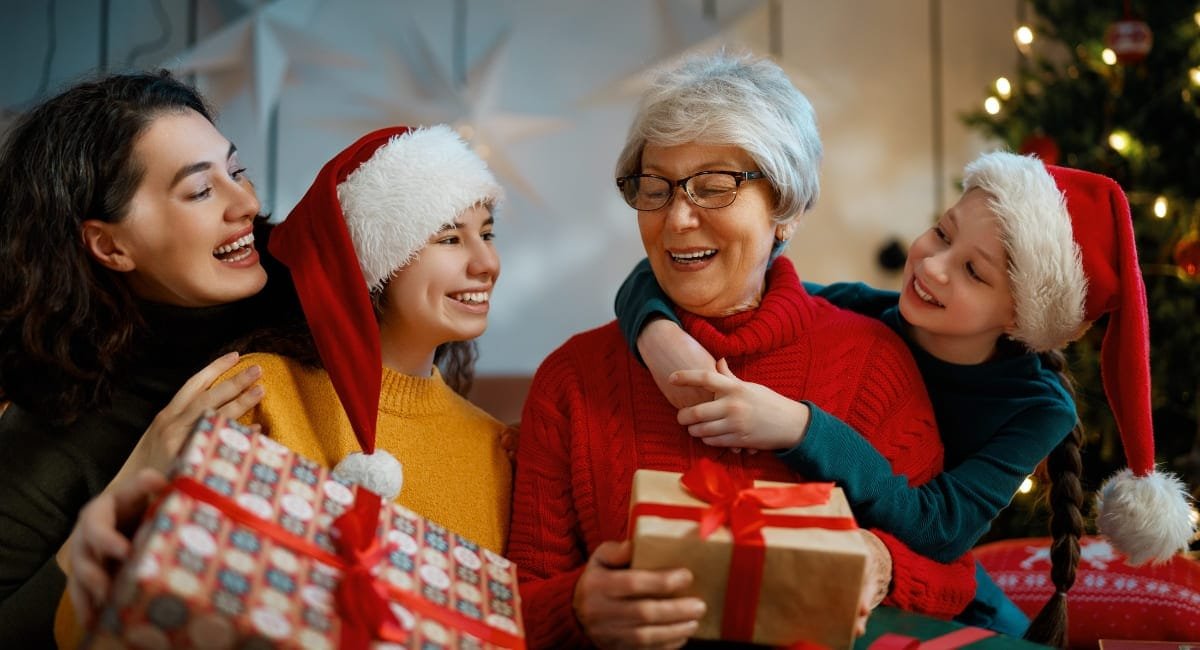
Christmas in Peru is a vibrant blend of faith, family, food, and folklore.
The holiday reflects the country’s deep Catholic roots mixed with Indigenous Andean culture.
From midnight Mass to fireworks lighting up the night sky, Christmas in Peru feels warm, colorful, and deeply communal.
When is Christmas Celebrated in Peru?
Christmas is celebrated on December 25, like in most countries.
However, the real festivities begin on December 24.
Families gather late in the evening.
Dinner, prayers, and gift exchanges usually happen close to midnight.
December 25 is quieter.
It is mostly reserved for rest, leftovers, and family time.
Noche Buena: The Heart of Christmas in Peru
Noche Buena, meaning “Good Night,” is the most important Christmas tradition in Peru.
Families come together in the evening.
Homes are decorated with nativity scenes, lights, and candles.
As midnight approaches, excitement builds.
At exactly 12:00 a.m., Christmas officially begins.
People hug, exchange gifts, and say prayers.
Fireworks explode across cities and villages.
Religious Traditions and Midnight Mass
Christianity plays a central role in Peruvian Christmas celebrations.
Many families attend Misa de Gallo (Midnight Mass).
Churches are often packed, especially in smaller towns.
Nativity scenes, known as nacimientos, are more common than Christmas trees.
They often include traditional Andean clothing and animals like llamas.
Faith and tradition blend naturally.
For many Peruvians, Christmas is both spiritual and celebratory.
Traditional Christmas Foods in Peru
Food is a major highlight of Christmas in Peru.
The Christmas Eve dinner is rich and filling.
Meals are prepared with care and shared late at night.
Popular Christmas Dishes in Peru
- Roasted turkey – The most common main dish
- Pork or chicken – Popular alternatives
- Tamales – A traditional favorite
- Rice and salads – Often served as sides
Everything is served family-style.
No one eats alone.
Panetón and Hot Chocolate
One of the most iconic Christmas traditions in Peru is panetón.
Panetón is a sweet bread filled with dried fruits.
It originally came from Italy but is now deeply rooted in Peruvian culture.
It is always paired with hot chocolate, even in warm regions.
This combination is enjoyed late at night or early Christmas morning.
Panetón is so popular that it’s eaten well beyond December.
You’ll see it on tables until January.
Christmas Gift-Giving Traditions
Gift-giving in Peru usually happens at midnight on Christmas Eve.
Children stay awake waiting for the clock to strike twelve.
Gifts are opened immediately after prayers and hugs.
Presents are often modest.
The focus is more on family than material things.
In many homes, Baby Jesus is said to bring the gifts.
Santa Claus plays a smaller role compared to Western countries.
Fireworks and Festive Noise
Christmas in Peru is loud and lively.
Fireworks are a major part of the celebration.
They begin at midnight and continue for hours.
Cities like Lima, Cusco, and Arequipa light up the sky.
Even small villages join in.
The noise symbolizes joy and renewal.
Silence is rare on Christmas Eve.
Andean and Indigenous Influences
In the Andean regions, Christmas traditions take on a unique character.
Nativity scenes include local elements.
Baby Jesus may wear traditional clothing.
Animals like alpacas and sheep replace camels.
The scenery reflects mountain life.
Music and dances may be part of celebrations.
These traditions highlight Peru’s cultural diversity.
Christmas Markets and Artisan Fairs
In the weeks leading up to Christmas, markets become busier.
You’ll find:
- Handmade nativity figures
- Religious decorations
- Candles and ornaments
- Traditional sweets
In Cusco, artisan fairs are especially popular.
They attract both locals and tourists.
These markets add color and community spirit to the season.
Christmas Day in Peru
Christmas Day itself is calm and relaxed.
Most businesses remain closed.
Public transport runs on limited schedules.
Families stay home.
They eat leftovers and rest.
Some visit relatives or neighbors.
Others attend daytime church services.
It’s a day of peace after a lively night.
How Christmas in Peru Differs From Other Countries
Christmas in Peru feels different from celebrations in Europe or North America.
Key differences include:
- Celebrations focus on Christmas Eve, not Christmas Day
- Fireworks are more common than carols
- Panetón and hot chocolate replace cookies and milk
- Nativity scenes are more important than Christmas trees
Despite these differences, the message remains universal.
Family, faith, and togetherness come first.
Why Christmas is Important in Peruvian Culture
Christmas strengthens family bonds in Peru.
It brings relatives together, even those living far away.
It blends tradition, religion, and local identity.
For many Peruvians, it is the most meaningful holiday of the year.
Not because of gifts, but because of connection.
Final Thoughts on Christmas Holiday Traditions in Peru
Christmas in Peru is warm, expressive, and deeply rooted in culture.
It combines Catholic faith with Indigenous heritage.
Food, fireworks, and family define the celebration.
If you experience Christmas in Peru, expect noise, joy, and late nights.
Most of all, expect a strong sense of community.
That is the true spirit of Peruvian Christmas.
FAQs About Christmas Holiday Traditions in Peru
Q: What are the main Christmas traditions in Peru?
The main Christmas traditions in Peru include Noche Buena celebrations, attending Midnight Mass, sharing a family dinner, eating panetón with hot chocolate, exchanging gifts at midnight, and lighting fireworks.
Nativity scenes play a central role in most homes.
Q: Is Christmas Eve or Christmas Day more important in Peru?
Christmas Eve is more important in Peru.
Families gather on December 24 for dinner, prayers, and gift exchanges at midnight.
Christmas Day is usually quiet and focused on rest and family time.
Q: What food do Peruvians eat on Christmas?
Traditional Christmas food in Peru includes roasted turkey, pork or chicken, tamales, rice dishes, and salads.
Dessert usually consists of panetón, served with hot chocolate.
Q: Do Peruvians celebrate Christmas religiously?
Yes.
Christmas in Peru is strongly influenced by Catholic traditions.
Many people attend Misa de Gallo (Midnight Mass), and nativity scenes are more common than Christmas trees.
Q: Do people in Peru use fireworks on Christmas?
Yes.
Fireworks are a major part of Christmas celebrations in Peru.
They are set off at midnight on Christmas Eve and continue for several hours.
Q: Is Santa Claus part of Christmas in Peru?
Santa Claus exists but plays a minor role.
In many households, gifts are associated with Baby Jesus rather than Santa.
Download free Free Printable Calendars